Showing posts with label neurology. Show all posts

5.14.2019

hell is an ambulatory eeg

i really don't feel like going into it. suffice to say, this happened today and is still happening. #ineedfourmorehands #fuckthisshit #webetterlearnsomething #colossalpainintheass #impossiblekid #tomorrowcannotcomesoonenough

4.24.2019

sometimes less is more

At the neurologist yesterday, I was very happy to report that Calvin hadn't had a grand mal seizure in twenty-four days—roughly four to five times longer than this year's average span—and that in the past thirty days he has suffered only three days of seizures (compared with a half dozen to a dozen or more in a month's time.)

Calvin's neurologist, a pediatric epileptologist, wondered to what I attributed the abrupt and substantial decrease of seizures in the wake of last month which was peppered with them. I told him I believed it was the recent reduction of Calvin's CBD (cannabidiol) cannabis oil. In mid March, after having experimentally increased it by thirty percent (to 145 mgs/day), then having seen a rash of seizures at the higher dose, we cut it by about two-thirds (to 60 mgs/day) and saw immediate results.

I saw the doc jot something down in his notes.

I spent most of the appointment asking him about other drugs and non-traditional options in case we ever want to try another pharmaceutical besides Keppra. I asked him about Tegritol, Trileptal, Briviact, vigabatrin, Vimpat, cuprum metallicum, magnesium, B12 and Epidiolex. Some of the drugs are primarily prescribed for focal seizures. One of them risks visual disturbances, including blindness. The doc had not seen any compelling medical literature on the alternative therapies I asked about, and confessed to being the kind of physician who relies heavily on traditional Western approaches, (namely drugs). At that point, I remembered how six years ago Calvin's pediatrician and I lobbied hard to convince him that cannabis oil, both THCA and CBD, appear to have decent track records for treating the most stubborn childhood epilepsies. Having finally convinced the neurologist that cannabis was reasonable to try, Calvin became the first patient in the entire Maine Neurology practice to get a recommendation to use cannabis to treat epilepsy. Several months after starting Calvin on a homemade THCA oil, his daytime grand mal seizures virtually disappeared.

When it came to discussing Epidiolex (the plant-based pharmaceutical version of CBD) the doc said he had about ten patients taking it. I asked if he was on the Facebook Epidiolex Discussion Group page. Not surprisingly, he said, no. I told him that I am, and that I'd seen a trend in comments from parents of children having success with Epidiolex at sub-therapeutic doses, i.e. starting and/or remaining far below the suggested starting dose of 5 mgs/kg, and that at high doses, in some people, it appears to make seizures worse. This is consistent with what I have read about whole-plant CBD oil, and what I have seen in Calvin. In other words, sometimes less is more. 

Again, I saw the doc jot something down in his notes.

We left the neurologist's office with a plan for Calvin to undergo a 24-hour ambulatory EEG at home to compare his brain activity to previous EEGs, which were done many years ago. In the meantime, I'm waiting for lab results on my latest batch of THCA oil which I was forced to make with a new strain of cannabis called Mandarin Cookies. I'll be starting Calvin on it sometime this weekend, hoping the transition will be seamless, if not more beneficial. If all goes well, at some point in the near future, as I told the neurologist, we hope to reduce Calvin's high dose of Keppra to see if his behavior—his mood swings, manic laughter, hyperkinesia—improves. Perhaps, at least in Calvin's case, less is more with pharmaceuticals, too.


8.16.2016

the trouble with benzos

Once in a while, I see glimpses of my son acting normal. By normal, I don’t mean he sees well or walks right or speaks words or is free from seizures. I mean that there are moments, typically soon after his late-afternoon dose of THCA cannabis oil, when he is calm and happy, when he doesn’t frantically snap his fingers, when he isn’t a raving lunatic, isn’t hyperventilating, isn’t poking the hell out of his eye, humming repetitively or madly rubbing his head. In these rare moments he is serene and happy, and I wonder—once he is completely clear of his benzodiazepine—if he’ll begin to be like this more often, be free from pain, discomfort, anxiety and malaise.

The trouble with benzos is manifold—so much so, that it's hard to know where to begin.

For starters, benzodiazepines are not designed to be used long-term, because habituation can happen rapidly, in some cases after just a few doses, causing the body to require a higher dose to maintain their desired effect. In other words, if someone is taking benzodiazepines for sleep or anxiety or seizures—common conditions for which benzos are regularly, and often cavalierly, prescribed—they might, over time, experience insomnia or anxiety or, like in Calvin's case, a re-emergence of seizures, requiring an increase in dose to dampen them again. For people whose brains habituate to benzodiazepines, this pattern can be unsustainable, eventually reaching harmful levels of the drug causing side effects that become intolerable.

Like other antiepileptic drugs, the side effects from benzos are myriad. They include, but are not limited to, headache, nausea, malaise, dizziness, double-vision, blurred vision, drowsiness, weakness, slurred speech, drooling, lack of coordination, ataxia, seizures, anxiety, insomnia, anorexia, hallucinations, gastrointestinal upset, trouble swallowing, respiratory suppression, agitation, restlessness, irritability, tremors, panic attacks, vomiting, sweating, flushing and psychosis. These side effects can also be experienced when weaning from benzos, particularly if withdrawing too swiftly.

Another problem with using benzodiazepines is the fact that many, perhaps even most, neurologists appear to be unaware of or misinformed about proper weaning. I've heard countless stories from patients and parents who tell me that their neurologist recommended twenty-five percent dose reductions, pausing only a couple of days or weeks between each large decrease. This rapid of a wean can result in agonizing, dangerous and protracted withdrawal symptoms including status epilepticus. In my research, I've come across information about a syndrome I wish I'd known about before putting Calvin on any benzos: Benzodiazepine Withdrawal Syndrome.

After some in-depth research about the syndrome I began Calvin's wean from clobazam, aka Onfi. Rather than rely on Calvin's neurologist, I relied on the Ashton Manual—which thought it doesn't name clobazam, it details other benzos and how to withdraw from them—and on experienced parents' advice on how to wean safely. Thankfully, one parent, Paige Figi, told me to switch Calvin to the liquid form of Onfi in order to manage the fractional decreases that would otherwise be impossible with pills. Calvin has been weaning from the drug for over two years during which I have quickened, slowed and paused the wean according to how well or poorly Calvin seems to respond; we have at least one more year to go.

At first, the wean was torture because we'd done it too quickly. Calvin experienced excruciating side effects, at times manic, hyperventilating and insanely finger snapping in his bed for hours on end. On a handful of occasions he writhed and cried in pain much of the night as if he were passing a kidney stone. During these times I couldn't help but recall what Stevie Nicks had said when she came off of Valium, another benzo: "It felt like my brain was on fire." Another time, Calvin had a serious cluster of seizures that did not respond to three emergency medications, landing us in the hospital after a seven-year hiatus.

The trouble with benzos is that many physicians prescribing them seem indifferent to their dangers and side effects, unaware of benzodiazepine withdrawal syndrome and unschooled as to how to wean them safely and effectively. As a result, patients risk addiction, dependency and, perhaps, painfully protracted withdrawals.

Having said all this, I do know that for some people, benzodiazepines are the only drugs that work to control their seizures and in some serious cases, they can be lifesavers.

Luckily, it appears that for Calvin, cannabis is a lifesaver. It seems to have mitigated the withdrawal side effects he experiences. It has seemed to help him sleep better, calm his body, and we believe it has helped limit the number of seizures during his benzo wean; his grand mals have held pretty steady at an average of just over four per month (though I have also fine-tuned his treatment in the wake of those grand mals by giving him extra Keppra, and/or extra THCA and periodic administrations of Diastat to limit seizure clusters).

Now, with over ninety percent of his clobazam dose gone, Calvin is calmer, more focused and generally happier. Since beginning his wean, his expressive and receptive communication has improved. Best of all, we don't see as many crazed episodes like the one below, a daily occurrence before beginning the wean. So, it would appear that with each decrease in benzodiazepine, our kid gets a little bit closer to what we might think is his normal.

Calvin experiencing the effects of too many antiepileptic drugs and withdrawal from benzodiazepines (You Tube video).

5.03.2016

back to the classroom

The students seemed to hold their breaths as I cupped my hands over my face to hide the tears. When I regained my composure, I apologized to the class, and the young man to my left reached out his hand and gently said, "It's okay."

For the third year in a row my friend Hadley invited me to speak to her neurobiology class, a group of thirty college students, many of them majoring in premed. She’d asked me to come talk about epilepsy and about Calvin and to show the students an aspect of neurology other than synapses, neurons and cells. I sat off to the side in the Shannon room of Hubbard Hall, a luxurious space with a high vaulted ceiling and a curved metal chandelier suspended overhead. Hadley and I scooted several brocade loungers and wooden chairs around brown leather sofas, facing them toward a drop-down screen where I projected photographs of my boy who had woken to a grand mal seizure just hours before.

The students filed in slowly, some of them grasping snacks and drinks. From the onset, they seemed alert and engaged as they listened to me describe Calvin’s premature birth, how his brain's lateral ventricles are enlarged, and the various theories neurologists had tossed around about why. Regrettably, I failed to mentioned those theories had since been debunked; to this day, no one knows why my son is missing a hunk of the white matter in his brain. I chronicled Calvin's protracted development, his significant visual impairments, his incontinence, his inability to grasp abstractions or to speak. Then I described his first seizure, our many trips to the ER and the PICU, my dread of ambulance sirens, Calvin’s forty-five minute seizure, my loathing of this thing called epilepsy. I spoke of the ills of anticonvulsant medications, their scores of side effects, their tendency to impede development, their affect on my son’s behavior, on his ability to walk and talk and use a spoon, their paradoxical effects such as hyperactivity and insomnia.

For an hour, I lead the students through the past twelve years, through countless seizures and EEGs, painful blood draws and patronizing docs, through woeful hospitalizations and a litany of drugs and dietary therapies. I tried my best to look into each of their spry faces and saw, sculpted in them, curiosity, sorrow, compassion, empathy and surprise.

It was when I began talking about cannabis that I broke down. When I took my hands from my face and breathed, I was able to squeak, “Cannabis saved our lives.”

I told them the astonishing story of little Charlotte and her mother Paige, who inspired me to try cannabis oil for Calvin. I praised Dave from Epsilon who held my hand while I learned to make Calvin's first oil. I commended the dispensary that supplies our amazing cannabis flower, and applauded the other parents who have helped me blaze this cannabis trail. I mentioned how, since adding a 4:00 p.m. dose of homemade THCA cannabis oil, Calvin has had only one daytime grand mal seizure in over six-hundred days; prior to that, he’d have a grand mal seizure every week or two in the early evening, often in the bath. I went on to explain that Calvin still has seizures, though the grand mals are confined to the night when he is safe in bed, and that it seemed perhaps that the new CBD oil might be helping, too. I emphasized that, since beginning cannabis, we’d been able to safely wean Calvin off of over ninety percent of his wicked benzodiazepine, clobazam, aka Onfi, without a huge uptick in seizures. Benzos, I surmised, should be avoided at nearly all costs, warning that physicians regularly prescribe them—Valium, Onfi, Xanax, Klonopin, Ambien to name a few—for anxiety, insomnia and epilepsy, playing down their downsides and risks of their use, their tendency for addiction, and the dangers of their withdrawal. Later, I added that, for the very worst epilepsy cases, they might be the only option that works.

For the last half hour of class, I fielded a variety of questions. One student wanted to know how often I give Calvin injections, and I understood that I hadn’t made it clear that the cannabis oil I give him by the syringe is oral. Another asked if we were treated differently because of Calvin’s condition, at which point I described splintered friendships, gawking strangers and conceited physicians, all of who, luckily for us, have been the exception not the rule. Her question reminded me of the things people have said like, everything happens for a reason, and I expressed to the class my resentment that someone would believe Calvin was designed to suffer just to serve some unworthy purpose. I went on to endorse advocacy, not just for ourselves or our children, but for other marginalized groups, suggesting that the best anyone can do as doctors or as people is to listen and validate, and if someone speaks of hurt or injustice, we should trust they speak the truth and champion their cause.

Near the end (or perhaps after my talk was over, I can't remember!) one student asked if I knew what the long-term consequences were for using cannabis. I said that I didn’t, but that I’d read that THC might harm the developing brain. I countered by saying that all anticonvulsant pharmaceutical drugs are sedatives that slow the brain and, in turn, can hinder development, and that my guess is that pharmaceutical drugs have done more to halt my son's progression than the seizures themselves. I scorned the medical community’s skepticism of cannabis, the complaints of the lack of randomized double-blind placebo-controlled studies to prove cannaibis’ safety and efficacy, the fear of cannabis’ psychotropic effects.

“All anticonvulsants can have psychotropic effects and can affect development,” I said, scoffing at the double-standard to which cannabis is often held, and adding that many anticonvulsants are not studied on children, yet neurologists prescribe them nonetheless.

The same student then asked, if I knew then what I know now, what might I have done for Calvin's epilepsy. Without hesitation, I told her I'd have tried cannabis first, before any pharmaceutical drug, and that I believed it should be a first-line therapy instead of a last resort.

At some point, I mentioned the hypocrisy of the federal government, citing its decades-old medical marijuana program, and its patent #6630507 on certain cannabinoids as neuroprotectants, both which fly in the face of its current status as a Schedule I drug, which asserts that cannabis is as harmful as heroin and possesses no medicinal properties.

I ended with some statistics, how as many as 50,000 Americans die every year from epilepsy or related causes such as drowning, how one in twenty-six people will be diagnosed with epilepsy at some point in their lives and how, even so, epilepsy gets little funding because of its long history of stigma.

When class was over we applauded each other and I invited them to read and share my blog. A handful of students lingered to ask me a few more questions. As they huddled in, I felt their warmth, intellect and genuine interest, and wished I had a child like them. As the stragglers exited, the carpeted room fell silent. I closed my laptop and was left with images of my adorable, struggling, seizing, trainwreck-of-a-kid, but grateful for how loving he is, then I took a lesson from the student who had sat to my left when I cried, and tried telling myself, it's okay.

8.24.2015

not his fault

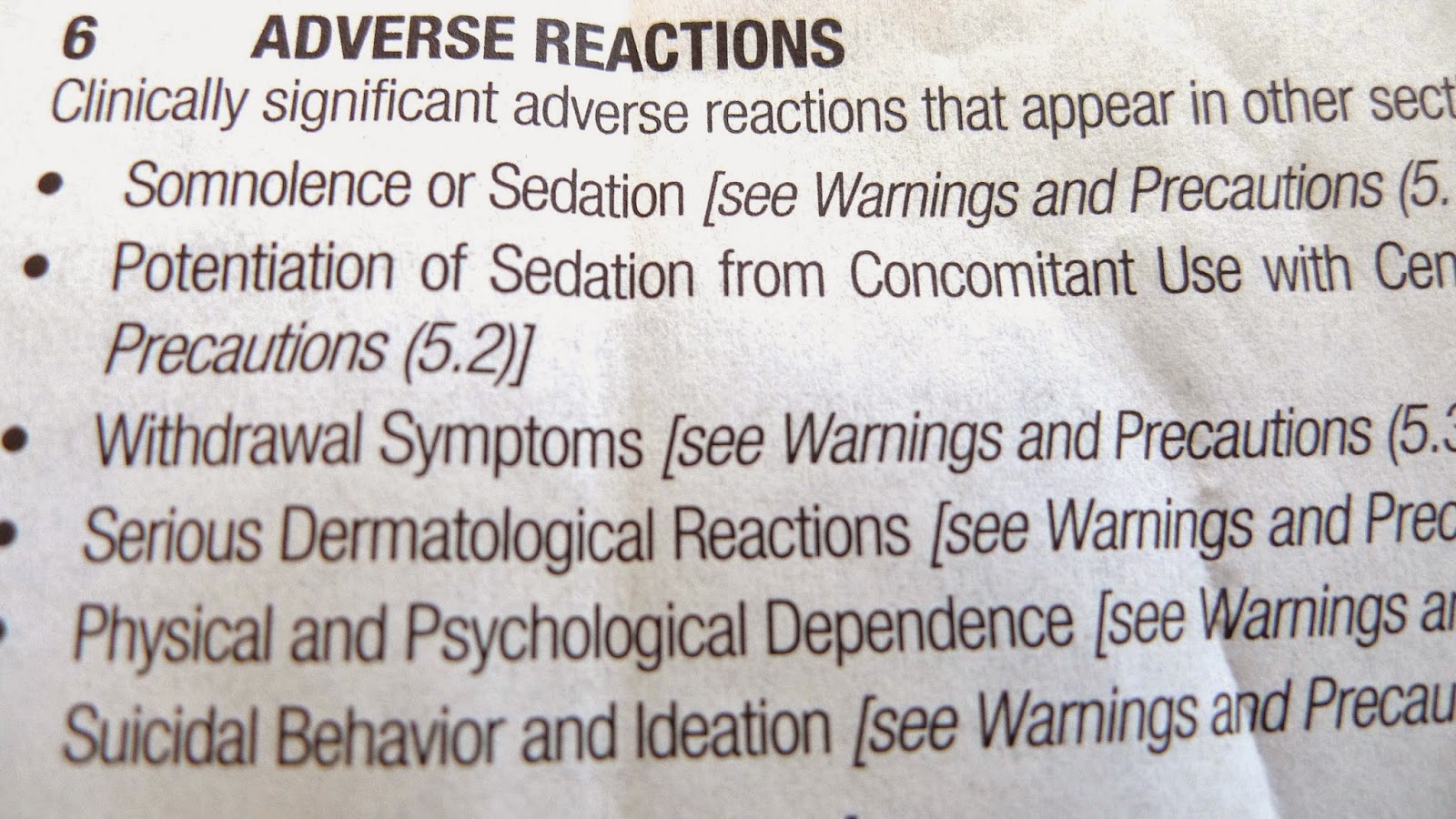
I try to remind myself that it’s not his fault, and while I do my blood boils over a medical community that so often prescribes benzodiazepines for too many little children suffering from epilepsy, its doctors often failing to educate their patients—or perhaps unschooled themselves—about the vast array of heinous effects of the drugs: their long list of debilitating side effects, the body’s quick habituation to them, their all-too-often gradual loss of efficacy and the need to continually increase doses, their painful, protracted, sometimes dangerous withdrawal side effects, particularly if weaned too quickly and even simply from simple habituation, their damage to the brain, their tendency to impede development especially at high doses, their common paradoxical effects on children’s behavior and sleep and calm. Some kids apparently benefit, but I wonder, in the long run, at what cost.

So, when my boy experiences bat-shit crazy days full of ear-piercing shrieks, hyperventilating, incessant coughing and whining, days full of aggression, of scratching my neck, dragging his teeth across my face and pulling my hair, of dropping to the ground and flailing like a fish on a dry dock, of being totally wired hours after his bedtime and, when as a result, my patience wears thin and I morph into a haggard mess of volatile nerves, I try to remind myself that it’s not his fault, because if I don't, I get cross, which is not something anyone would want to witness.

I try to remember that, in this years’ long withdrawal from clobazam (brand name Onfi), at any given moment he might be feeling nauseous or perhaps have a menacing headache, even a migraine, or tinnitus so bad a needle of sound, like a cicada on steroids, is piercing his brain. I try to remember that he might have tingling skin or aching bones or painful cramps as bad as any of us have experienced. He might be feeling dizzy or weak and wobbly or confused. He might be hallucinating, the wind sounding like a freight train through a tunnel. He might be seeing distorted forms floating across in front of his face or sensing something crawling over his skin. He might be depressed or anxious or afraid or so miserable that if he knew what dying was, he’d want to.

I know my kid. I've seen him suffer withdrawal, seen him seize for hours as a result, seen him writhe in pain half the night, heart racing, eyes rolling back in his head, tears streaming, sometimes looking at me and moaning, hoping I can save him. I've seen videos of adults in benzo withdrawal, shaking and shivering and pleading for help. I've read stories of those who've suffered through withdrawal and lived to tell about it. I've had countless parents tell me that their kids are going through the same things and that their child's neurologist downplayed the side effects and didn't instruct them on how to safely withdraw. I've read that benzodiazepines can harm memory and vision and contribute to the development of Alzheimer's. I've read that some withdrawal side effects can last for months, if not years, after discontinuation of the drug and that some of them can be permanent.

You may wonder why I write so often about benzodiazepines. I do because one of them, clobazam, for the time being rules our dystopian world. I do because, though I don't mean to burn bridges, if I can persuade just one neurologist to think twice—deeply—before prescribing a benzodiazepine for their next patient, perhaps deterring them, then maybe that child will be spared a hell that I don't think anyone could imagine unless they lived it.

So, I try to tell myself that Calvin's behavior is not his fault and that his suffering and mania and our splitting nerves were brought on by a seemingly innocuous little white pill with the power—quite literally—to ruin lives.

 Onfi drug insert:

5.04.2015

in defense of our children

I'm compelled to share this important story written by Health Impact News/MedicalKidnap.com Staff

Child Protective Services Threatens To Kidnap 7 Year Old in California When Parents Try to Transfer to Different Hospital


kennedy-hospital2
Kennedy May Willey after being transferred to UCSF in San Francisco.

Kennedy May Willey’s first seizure took place when she was nine months old, on December 26, 2008. It occurred 8 days after receiving her DTaP vaccination. The seizure lasted over 40 minutes and entailed a dramatic helicopter ride to the nearest major hospital in Texas which was over an hour away. Fortunately, little Kennedy rebounded and within a few hours the doctors wanted to send her home, saying that the seizure that had nearly killed her was a “normal febrile seizure.”

Her mother Dawn knew there was nothing “normal” about it and insisted that they keep Kennedy overnight for observation. A nurse told her she was paranoid, but within five minutes she was seizing again.


Dravet Syndrome Diagnosis


Eventually, two pediatricians, one allergist, one cardiologist and no less than six neurologists later, Kennedy was diagnosed with Dravet syndrome. This was not good news. For parent or child, Dravet can be a terrifying diagnosis.

The prognosis is anything but encouraging, the mortality rate is exceptionally high — 15-20% — with most dying suddenly while asleep, and seizures are severe, lifelong, and generally bring a host of developmental, behavioral and medical issues affecting every aspect of the child’s life.

Most children with Dravet are given anti-epileptic medications, even though Dravet does not tend to be responsive to medications. After reading story after story of children for whom medications made little to no difference, Kennedy’s mother, Dawn, felt there had to be a better way.

Through a series of fortunate events (apologies to Lemony Snicket), she was led back to her chiropractor and DAN! (Defeat Autism Now!) doctor who was eager to help, and the two struck up a collaborative relationship. Over time, they came to believe that Kennedy, like so many other medically complex children, had a “compromised gut” and if her gut were healed her health could be greatly improved. They started her on the Specific Carbohydrate Diet (SCD) and eventually transitioned to the Gut and Psychology Syndrome (GAPS) diet.


“Miraculous” Results through Diet


The results of her diet change approached the miraculous. Dawn estimates that Kennedy’s symptoms improved about 98%, with a huge reduction in frequency, duration, and intensity of her seizures. In addition, they no longer occurred randomly throughout the day, but typically occurred only when she was asleep. Children with Dravet’s are expected to regress from age two onwards due to the tremendous stress the seizures put on the developing nervous system.

Kennedy, however, has been beating the odds. She is now seven years old and generally lives a full “normal” life with her family in California. She attends a regular school, took surfing lessons in Costa Rica, plays tennis and the piano, and loves to swim and ride her bike.

Kennedy-dad-hospital

Relapse: Seizures Increase


But life is always a little precarious with a severe chronic illness, and recently the Willey family came face to face with their worst nightmare. Last week Kennedy experienced an increase in seizures. The seizures began “clustering” requiring medical attention.

On Thursday, April 21, she was taken to her local hospital, but they decided she needed to transfer to a larger hospital: Children’s Hospital of California (CHOC) – Orange County. Dawn and her husband, Carl, were upset when they heard the news because they had heard numerous horror stories about the head of neurology at CHOC from other parents and doctors.

From minute one, they say their fears were confirmed. Dr. Mary Zupanc reportedly swept into the room announcing that she was the foremost expert on Dravet. She allegedly bad-mouthed the Willey’s Dravet doctors and refused to believe that, until a few days before, seven-year-old Kennedy had been running on the beach, leading a “normal” seven-year-old life. She allegedly told the Willeys that there were no “normal” un-medicated children with Dravet.

Of course, the Willeys have pictures and videos of their daughter to back up their claims, but they say Dr. Zupanc refused to look at them.


Drug Cocktails Begin and Conditions Worsen


Kennedy was already on two anti-epileptic drugs when Dr. Zupanc added Depakote, a drug that they say had been known to increase Kennedy’s seizures previously. She allegedly went into more cluster seizures and her tongue swelled up. The doctor ordered an EEG, which indicated no seizure activity, but her brain waves were slow.

The Willeys insisted that her “out of it” condition was attributable to the unfamiliar medications. Dr. Zupanc, reportedly not believing the parents’ testimony, insisted there must be some huge underlying problem, probably encephalitis. She allegedly pushed a CT scan and a spinal tap. Kennedy had to be put out for the spinal tap, adding more meds to the cocktail.

On Sunday morning, they allegedly administered more Depakote, which touched off more cluster seizures and a swollen tongue. Clearly evident to the parents, Kennedy was allergic to the medication.

The answer from Neurology? Even more Depakote.

kennedy-hospital-mom

Parents Threatened with CPS


That was when Dawn had had enough. She says she ran in and stepped in front of the nurse who was trying to do as the doctor had ordered. The next thing they knew a neurologist came into the room yelling about getting a court order if they continued interfering with Kennedy’s care. At 11 p.m. that night, a representative from Child Protection Services allegedly knocked on their door and interviewed the underslept, overstressed parents about their “medical neglect” until 1 a.m.

All the while, Kennedy allegedly had been given no food of any kind. Dawn had been begging for a feeding tube since the beginning to help Kennedy with metabolizing all the drugs, but Neurology had convinced them she was in danger of aspirating.


Zealous Doctors Want to Expand Treatment Beyond Dravet


Dr. Zupanc, arrived Monday morning accompanied by a large group of doctors and allegedly announced that there was something wrong with Kennedy other than Dravet, and she would be proceeding with in-depth testing, including another spinal tap and a brain MRI with contrast.

Kennedy was reportedly now having subclinical seizures — the second EEG showed eight 10-second seizures – she said, and that gave her grounds to increase the medications.


Parents Hire Attorneys in Attempt to Leave Hospital


After the CPS visit, the Willeys knew they had to get Kennedy away from CHOC and Dr. Zupanc. They formulated a plan to move her to UCSF in San Francisco and hired an independent medical advocate and two attorneys.

They weren’t sure if they were doing the right thing, though, until they met with the metabolic doctor who allegedly told them that Dr. Zupanc was conducting a ridiculous fishing expedition and that Kennedy’s body was too stressed for another spinal tap.

They realized that they were fighting for Kennedy’s life.

Carl asked the PICU pediatrician if he thought Kennedy was stable enough to be airlifted to another hospital and he said yes.

They expected to leave CHOC that afternoon, but at lunch time word came down that Dr. Zupanc had blocked the transfer saying Kennedy was unfit for travel.  Carl met with the pediatrician saying, “I beg you to save my daughter’s life and release her. You have the power to do this because you are in charge on my daughter’s floor.” The doctor’s response: “You have to remember that after you leave tonight, I’m still going to have to work with her and deal with this.”

Kennedy-transfer-UCSF-San-Francisco
Kennedy was transferred to UCSF in San Francisco.

Transferred to UCSF in San Francisco


After hours of battle, the doctor finally agreed to release Kennedy. The transfer would happen the next morning. However, delay after delay kept them at the hospital till mid-afternoon, and before they left, Kennedy was given a final high dose of medications, taking her to toxic levels.

Kennedy finally arrived in San Francisco on Wednesday (April 29th) and has reportedly been receiving excellent care since then. She is eating real food and smiling again.


CPS Threats Followed Them to San Francisco


One might think that this would mean the Willeys could breathe a sigh of relief, with their nightmare finally over.

Unfortunately, that does not seem to be the case. Last night (April 30th) Kennedy’s pediatrician at UCSF came to the Willeys and told them that CHOC had called CPS in San Francisco accusing the Willeys of “severe medical neglect,” saying that among other ridiculous charges they had “denied all meds.”

The representative from CPS in San Francisco interviewed the Willeys and agreed with everyone at UCSF that the Willeys were exceptional parents, CHOC’s complaint was “totally unfounded,” constituting blatant harassment, and the case would be closed.


Willeys Want to Warn Other Parents


The Willeys hope this may finally be the end of their nightmare, but they wonder about the next unsuspecting family?

Dr. Zupanc’s information at CHOC can be found here.

Also, the Willeys report that Dr. Maria E. Minon is the Vice President of Medical Affairs at CHOC, and her information can be found here.

The Willeys just want to have the freedom to choose their own medical care and treatment plan without being threatened by CPS because of over-zealous medical authorities who believe their treatments are the only ones available. They do not believe that doctors should try to coerce parents into accepting their methods and pharmaceutical products when other options are available.

9.01.2014

summer swelter, seizures, clobazam and cannabis

By evening, everything had melted in the summer swelter—the butter, the plants outside, me—and the glass wall barometer’s blue water dipped well below normal. I was in the middle of mixing myself a bourbon with ginger beer on ice before making Calvin’s dinner, and Michael was beginning to cook ours. Calvin was screeching and spinning in his johnny-jump-up, though not all together happily. He’d had an off day, whining at every turn. When he became silent, I peered around the refrigerator to check on him and found him dangling, jackknifed in his jumper like some neglected marionette, his contorted limbs jerking in rhythm. We dropped what we were doing and ran to his aid, where we had trouble prying his stiff body from the jumper, its padded fabric crotch clamped between his rigid legs.

I couldn’t really tell if or when the seizure was over; Calvin’s color came back but his face, fingers and legs randomly twitched for minutes. I gave him several drops of my homemade THCa cannabis oil, which, after a couple of minutes, seemed to assuage the tiny spasms. It was nearing five-thirty, so I decided to give him his nighttime dose of benzodiazepine early, happy that he was able to swallow the thick, milky liquid before drifting into a post ictal sleep.

It had been thirty-five days since Calvin’s last dinnertime seizure, the third or fourth time he’s gone that long between them since shortly after starting the THCa cannabis oil. Before that he’d been having them every five to fifteen days. And though we’ve weaned him off of 40% of his benzo, clobazam, we aren’t seeing a definite increase in overall seizures. However, the seizures have mostly migrated to just before dawn, likely because we don’t give him cannabis oil in the middle of the night—at least not yet—for fear he’ll struggle and or aspirate. Therefore, he’s still having three to five perceived seizures every month, though they have flattened, calmed.

School starts tomorrow and I am welcoming the quiet time to myself. Delightedly, Calvin will have the same teacher and the same one-on-one that he did in previous years. It has been a bit of a rough summer, in that the home health agency never found us a second nurse to fill Calvin’s allotted hours, without which I have had little time to do things like garden, write or ride my motorcycle (which is thusly for sale) or even to wash dishes or do laundry. Luckily, the addition of THCa cannabis oil and the significant reduction of benzodiazepine have both seemed to improve Calvin’s quality of life and ours. For the most part he is less stubborn and has much better balance. His drooling has decreased and the persistent rash on his chin has mostly disappeared. His stamina and his willingness to walk hand in hand down the street or in the grocer or at the fair or at the park has markedly improved, and his hyperactivity has cooled some. Regrettably, it will be another year before he is completely off of the drug since a painfully slow wean is the only safe way to come off of a benzodiazepine.

The other day Michael and I had a good conversation about epilepsy, pharmaceuticals and cannabis. We agreed that, if coming off of pharmaceuticals could improve Calvin’s development enough for him to learn a handful of words, for example, we’d exchange that for a few extra seizures. We wondered why not starting him on antiepileptic drugs was never offered as an option to us when he was first diagnosed and why we didn’t consider it ourselves. We wondered why no neurologist talked to us in depth about the risks of long-term use of benzodiazepines. We complained that no neurologist told us that weaning clobazam would be easier if Calvin took the liquid form reducing by small increments as opposed to large decreases in unevenly cut pills. We realized that we are starting to think that Calvin’s seizures may never abate and that an improved quality of life should be the goal. As long as he has epilepsy, no matter how many seizures he has, he is at risk of dying from SUDEP, sudden unexplained death in epilepsy, so why pump him full of debilitating drugs that make him feel like shit if we don’t have to? I say this knowing that not all children with epilepsy fit this profile and knowing full well that things with Calvin could suddenly and dramatically change, particularly with puberty on the horizon, causing us to reconsider this tack.

Thankfully, at least for now, the cannabis oil seems to be helping, a lot. It’s just too bad that there aren’t more neurologist and legislators out there willing to inform themselves of its benefits, to champion its use, advocate for its research and support its legalization at the federal level. I’d bet if their children had epilepsy, they would do it all in a heartbeat.

Calvin in a daze after his most recent seizure

5.28.2014

dear dr. Rx

Dear Dr. Rx:

I’ve been stewing on this for years, and it’s finally beginning to eat away at me, so I figure it is about time I write. Perhaps writing will incrementally change the status quo, perhaps not, but at the very least it will clear my conscience.

My son Calvin, who is now ten, woke up this morning at 2:30 and never went back to sleep. We changed his diaper, offered him water, which he refused, gave him something for what we thought might be a headache, and got into bed with him. Still, he thrashed and kicked and shrieked and whined. Why? Because he is in withdrawal from a benzodiazepine, namely clobazam.

He started taking this sorry drug over three years ago to quell his seizures and to help wean him off of the first benzodiazepine, clonazepam, both, as you know, relatives of Valium. Clonazepam was prescribed as a bridge drug, not intended for long-term use, yet even in the face of my relentless questioning of this treatment plan, he remained on it for three years. Prying him off of it was painful for everyone, and it took months. His seizures doubled, he stopped eating everything but yogurt and he held his antiepileptic medicine in his mouth for up to ninety minutes at a time. I’m convinced he’d forgotten how to swallow, just one of the countless side effects of benzos and their withdrawal and perhaps one that you are not aware of.

Though you don’t apprise your patients’ parents of the hazards of benzodiazepines, particularly long-term use, you regularly prescribe them for children when they are just toddlers and infants. You prescribe them after a child has failed only two antiepileptic drugs when, if you insist on drug therapy, there are at least twenty others they could try first. Regrettably, you are not alone.

You don’t believe in dietary therapy, in using food as medicine, as you say, though it can help a handful of kids who try it when nothing else has worked. You are leery of medicinal cannabis even though surely some of your patients’ development and well-being—their very lives—might be at stake without it, yet you don’t hesitate prescribing benzodiazepines, which no doubt have far worse and riskier side effects than cannabis, including death.

We’ll be weaning Calvin from his clobazam over the course of the following year, perhaps longer. During that time our little boy will be racked with headaches and nausea, dizziness, mania, mood swings, insomnia, drooling and withdrawal seizures. Luckily, the cannabis oil seems to be calming all of those symptoms some.

Perhaps you’d say that I know nothing about neurology, but I can tell you that I know my child, and I have memorized the list of side effects of too many antiepileptic drugs, and I knew about benzodiazepine withdrawal syndrome though no neurologist told me about it, and I see my child suffer side effects from ineffective drugs, and I can sense—sometimes even smell—a seizure coming, and I’m skeptical when a physician's only solution to a problem of any kind is to throw pharmaceuticals at it. You cannot deny it; they are all bitter pills.

Please open your mind, Dr. Rx, give yourself pause before you sign that next script, think outside of the pill box, for your patients’ sake. The world is full of possibilities if you simply choose to see them.

Sincerely, and with great regret,
Christy Shake
Calvin’s mom

photo by Michael Kolster

5.23.2014

rant

After a therapeutic day of gardening, I headed over to look in on Woody, my 82 year old friend and neighbor. I like to check in on him often, pilfer his candy jar, pet his cats and join him for walks since he spends most of every day alone in his house. When he answered the door he quickly ushered me in saying, “You’ll want to see this.” I followed him into his den where he’d been watching the local news; the upcoming story was going to be about medical marijuana and epilepsy.

We both sat at the edge of our seats, the television a few feet away. For six-plus minutes we watched a reporter interview my friend Susan about treating her daughter’s catastrophic epilepsy using cannabis. The interview also featured our beloved Dr. Dustin Sulak, DO, explaining his desire for cannabis to be considered much earlier in the treatment of refractory epilepsy rather than as “a last ditch effort.” Also featured was a pediatric neurologist, one who a friend soon nicknamed Doubting Thomas, explaining his misgivings about the use of cannabis to treat childhood epilepsy.

We watched the segment intently, and every so often I’d erupt shouting, “Awesome!” or “Dumbass,” or “What the fuck?” as if watching some sort of sporting event. My eyes stung and welled up with emotion seeing a video of Cyndimae seizing, then hearing her ask her mother to hold her. I'd met sweet Cyndimae and her mom a few months back during a stint of mostly seizure-free days.

I came away with a lot of respect for the compassionate reporter and her news organization. It was one of the most comprehensive segments I’ve seen thus far about cannabis and epilepsy, and I’ve seen scores of them. However, not unlike my friend and fellow blogger Elizabeth, whose daughter’s epilepsy is being treated successfully with cannabis oil, most of what I wanted to do was to rant. Yes, rant. Why? Because of assertions like these streaming from the mouths of countless ill-informed, shortsighted pediatric neurologists:

“What are the effects of marijuana—whether it’s a cannabinoid or THC—on the developing brain, right? And you have to weigh that risk with what’s the risk of the seizures.”

First, THC (tetrahydrocannabinol) IS a cannabinoid, and if some neurologists offer an opinion about medical marijuana, they should for damn sure have their facts straight. Second, why is it that in no op-ed, no newscast, no TV documentary, no newspaper feature, no consulting neurologist discusses the risks of antiepileptic pharmaceuticals on the developing brain? Why, dammit? These neurologists declare their grave concern about the safety and efficacy of cannabis, an herbal remedy in use for millennia, yet they fail to mention the cognitive impairments caused by drugs such as benzodiazepines—the memory problems, the sleep disturbances, the behavioral side effects, weight loss, mood swings, respiratory arrest, depression, suicidal ideation, addiction, withdrawal and significant developmental deficits resulting from their use—and that’s just a sampling of the side effects of one class of antiepileptic drugs which these neurologists blithely prescribe for children, even infants.

What if it were their child having hundreds of seizures monthly, weekly, daily, turning blue and convulsing, breaking teeth and gashing their forehead during seizures? What if it were their child whose seizures were unresponsive to pharmaceuticals yet still suffered from their side effects? What if it were their child who spent days in the hospital, who lost abilities to seizures and pharmaceuticals, who had to be repeatedly resuscitated, intubated, coma induced, whose doctor said that there was nothing more that could be done and to go home and prepare for that child's death? I wonder if they ask these questions of themselves and, if so, and if they are being frank with the journalists then how, as a parent who'd do anything for their child, in their heart of hearts, can they justify their stance?

But it isn’t their child and it's likely that they don’t understand cannabis and perhaps they trust the negative propaganda or are paralyzed by fear and are listening to ignorant claims and repeating the same baseless arguments and covering their asses having not done the research and they don't admit their naivete and they claim to know so they mislead the public and they label successes stories as purely anecdotal and they sit on their hands and they fail their patients and they watch, from a safe distance, families splinter and children suffer and seize, decline and die.

But it's the most courageous of them, the smartest, keenest, most curious and compassionate ones, who see the success stories for what they are—successes—and then recognize that things need to change and understand that for things to change some people have to question authority, have to take risks, have to buck the status quo, have to believe in something more than just randomized double-blind placebo-based trials, have to put trust in human experience as real evidence, then choose to do what is right as opposed to what is sanctioned.

Thankfully, and though they might be in the minority, we've got a few of them here in Maine.

To watch the news segment click here.
Cyndimae and her mother, Susan

12.01.2013

stumbleupon

Today's email message sent to me from StumbleUpon:

Hi christyshake,
We've gathered a personalized selection of web pages we think you'll like. Enjoy!

Oliver Sachs: What hallucination reveals about our minds

Etymology of Neuroscience: Greek and Latin Roots of Neuroscience Words. Neuroanatomical, Neurophysiological and Neuropsychological Terminology

Ouch! It's a disability thing (blog) 

CRAZYMEDS: Finding the Treatment Options that Suck Less: for Depression, Migraines, Bipolar Disorder, Epilepsy, Schizophrenia, & Assorted Other Brain Cooties

And when I clicked on the StumbleUpon logo at the top of one of the pages, I got the image below.

Reality can sometimes be a major slap in the face.